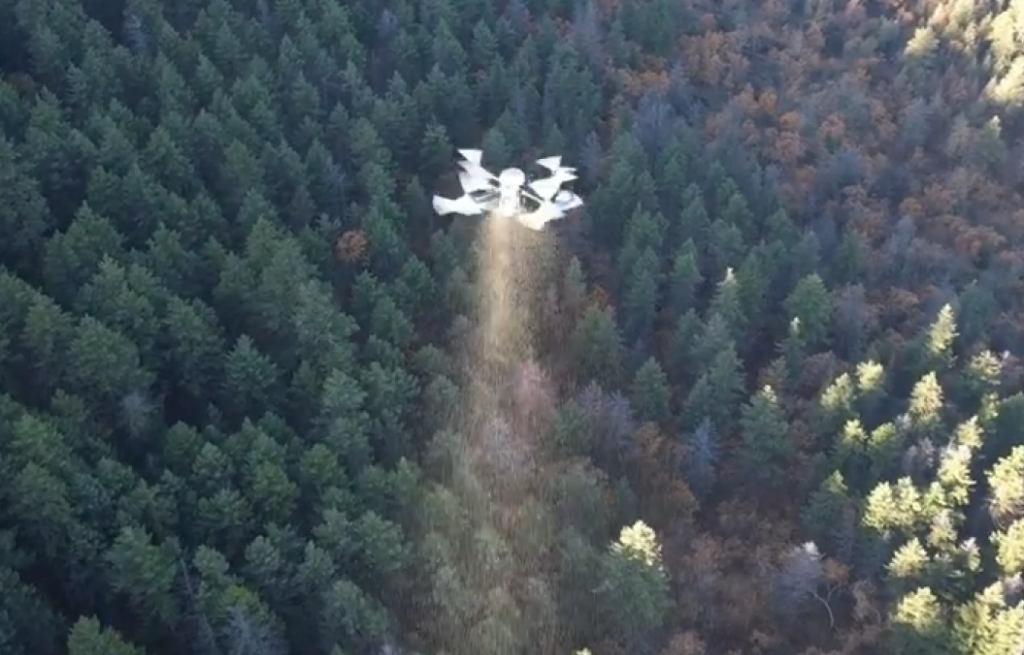
Ag Drones Take Flight: Wildfire Re-seeding Project in Wasco County Sparks Regional Buzz


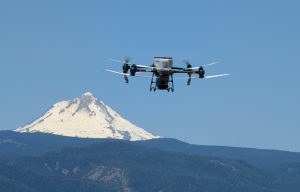 The Association for Uncrewed Vehicle Systems International (AUVSI) notes that whereas consumer-level drones give farmers an extra set of eyes to monitor plant development, environmental stressors, and yield optimization, industry-grade ag drones are ready to be used as part of every farmer, orchardist, and vintner’s tool barn, not just for monitoring, but for precision spraying, fertilizing, and seeding—actively and efficiently managing crop health. Programs like the OSU Extension Service and the UAS program at Columbia Gorge Community College in The Dalles are supporting farmers and drone pilots with regional group demonstrations, discussions, and training opportunities.
This additional awareness is important, because while agricultural drones offer tremendous potential, adoption barriers remain—regulatory frameworks (e.g., FAA rules), upfront costs, need for operator training, and sensitivity to weather—all pose challenges. We are addressing these issues through a series of user-friendly group policy discussions, collaborative demonstration events, and training programs. The next demonstration/discussion event will be held July 30th in Hood River, hosted by the OSU Extension Service and Columbia Gorge Community College.
The rise of ag drones in seeding marks a significant shift toward cost-efficient, sustainable, precise, and scalable farming practices. As more farmers witness faster cover-crop establishment and environmental restoration efforts, drones will be recognized as pivotal to these advances. With continued investment in education, policy, and technology, the vision of a smarter, greener ag landscape powered from the skies is quickly becoming reality.
For more information or to discuss current training opportunities, contact Dr Mike Davis, mdavis@cgcc.edu